
OBJECTS
Material, sculpture
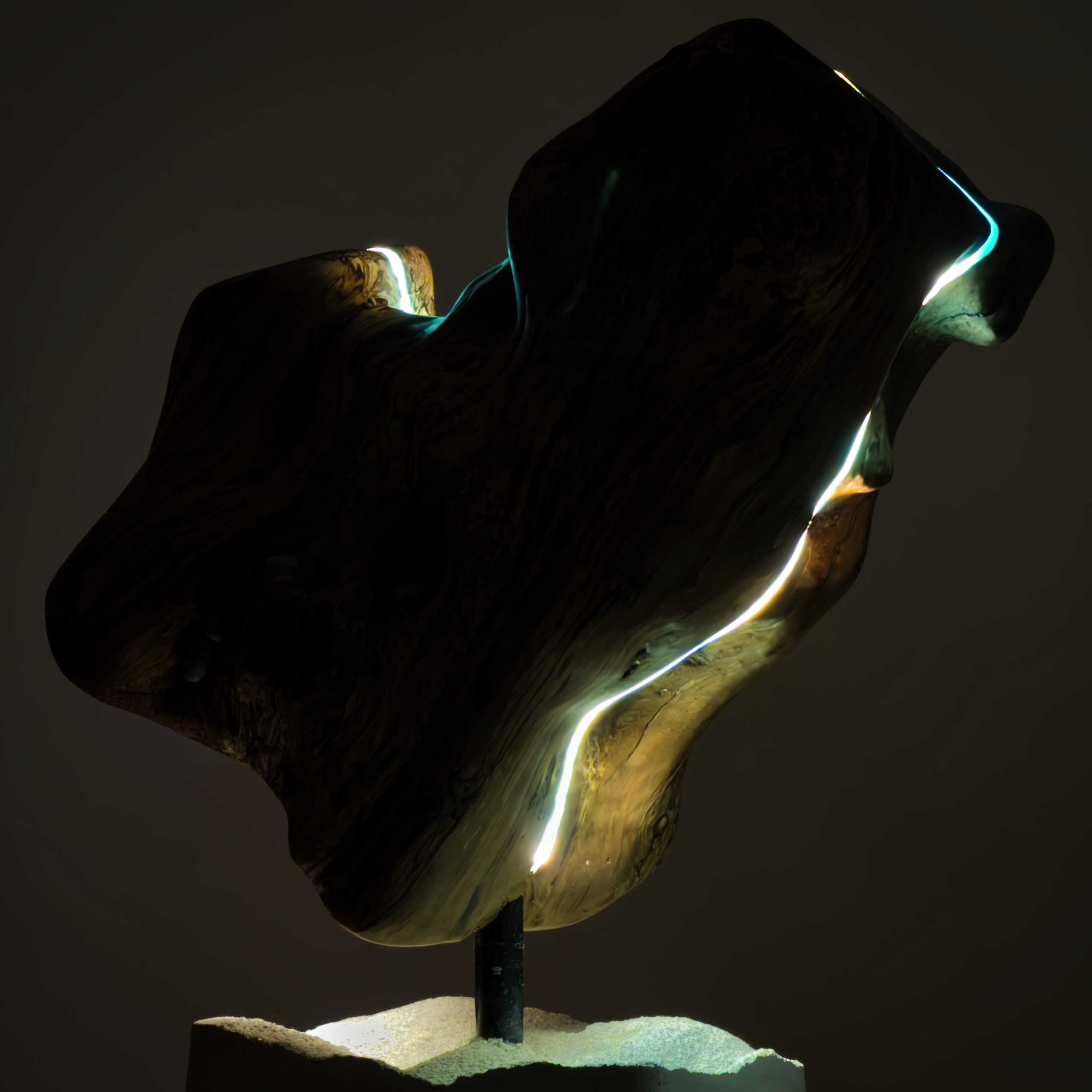
JUGI designs luminous objects, one-off pieces or series, at the intersection of sculpture, scenography, and architecture.
Each piece goes beyond the object itself: it is embedded in a place, an atmosphere, and becomes an architectural gesture that transforms space.
Material — wood, mineral matter, or forms recreated through modeling and 3D printing — is chosen for its presence, its strength, and its connection to gesture and site.
Light is not an addition: it is a composition. Observed in the real world — reflections on water, summer skies, halos of dawn or dusk — it is translated into luminous sequences, LED by LED, using a timeless language: subtle, precise, alive.
Material, light, and space come together to open a breathing space: a moment of attentive perception that allows us to experience our surroundings differently.
Each work seeks the right balance: a discreet yet decisive presence that reveals architecture without overpowering it.
The result is not an effect: it is an atmosphere, a rhythm, a way of inhabiting light.
ARCHITECTURE
Lighting design
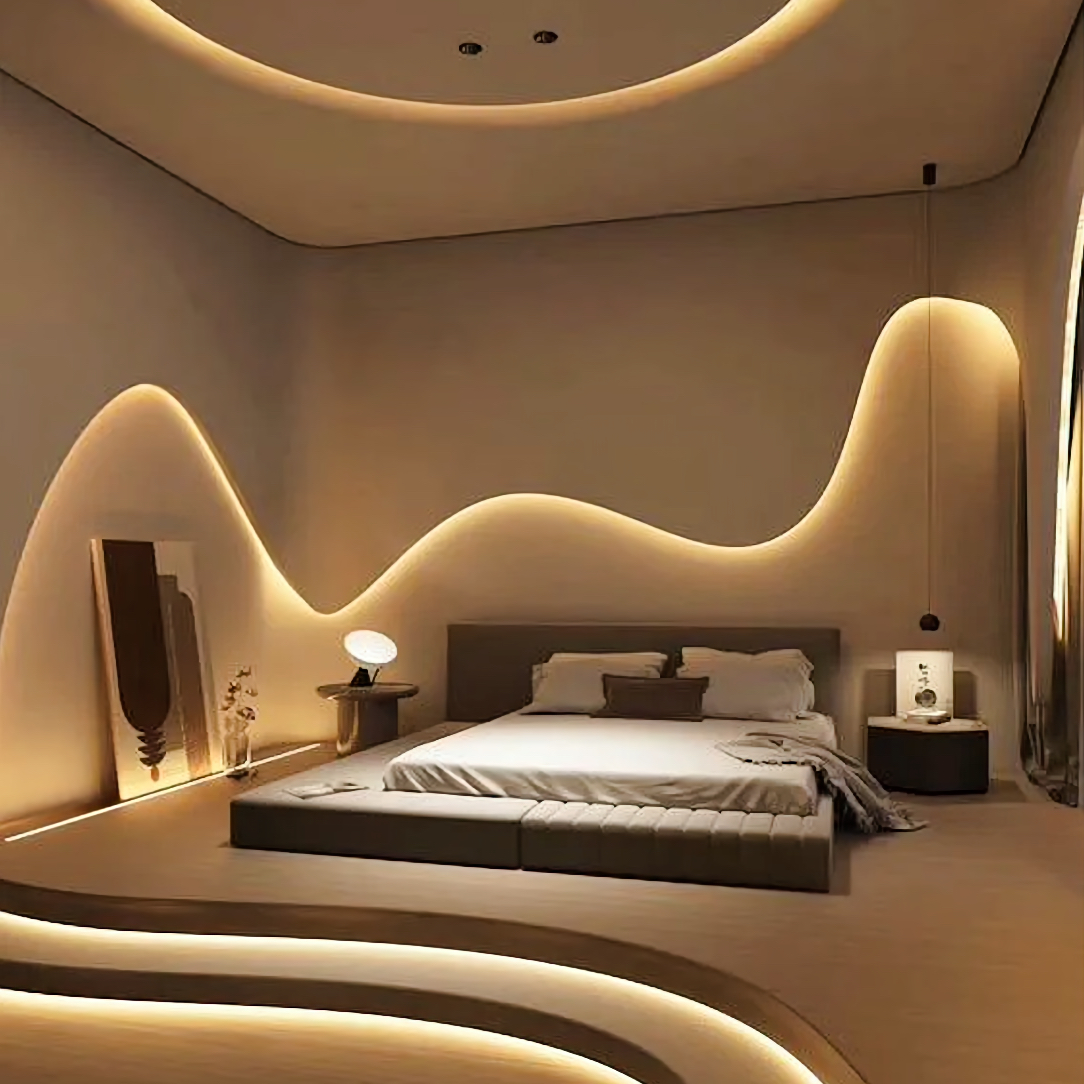
JUGI supports the creation of lighting atmospheres for architectural, interior, public, or event-based projects. We approach light as a living material: it reveals volumes, transforms perception, and supports use. Our work consists in imagining bespoke atmospheres, in close dialogue with the space, its constraints, and the project’s intention, always seeking a balance between technical precision and poetic expression.
We operate within a framework of fluid collaboration with architects, engineering firms, and lighting designers, in order to propose comprehensive, coherent, and sustainable solutions. Our expertise develops around two complementary dimensions:
A lighting design approach that is both contextual and sensitive, whether for façades, halls, gardens, swimming pools, or living spaces
Continuous technological monitoring, ensuring independent and informed choices of light sources, control systems, and equipment
Exploring material
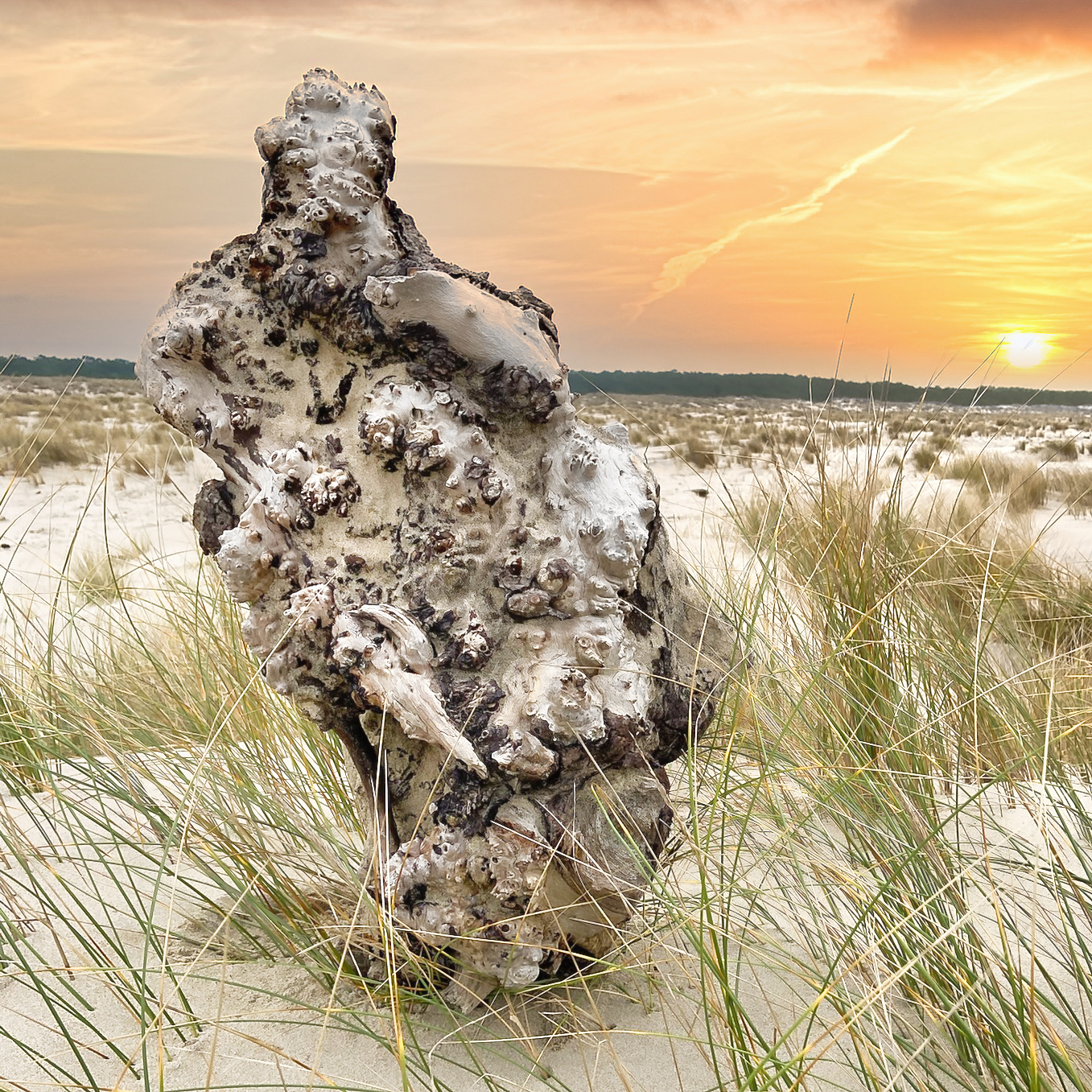
Identifying, selecting, testing a form. A raw, natural material — found or shaped — that already carries a potential for light.
Lighting concept & intentions
Definition of the artistic and functional principles that will guide the lighting design, in relation to the architecture and the desired experience. This stage establishes the project’s sensitive and narrative framework.
Observing light
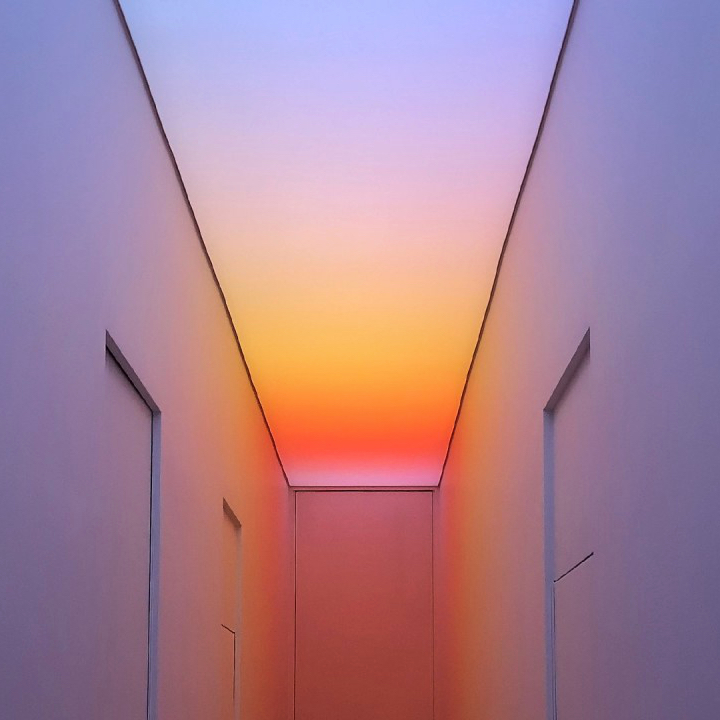
Photographing, filming, capturing a real phenomenon: reflections on water, a changing sky, a moving shadow. Colorimetry and rhythm are sampled directly from nature.
Mood boards & scenography
Visuals and sketches that allow projection of the future lighting atmosphere. They translate intentions into tangible form and facilitate alignment among project stakeholders.
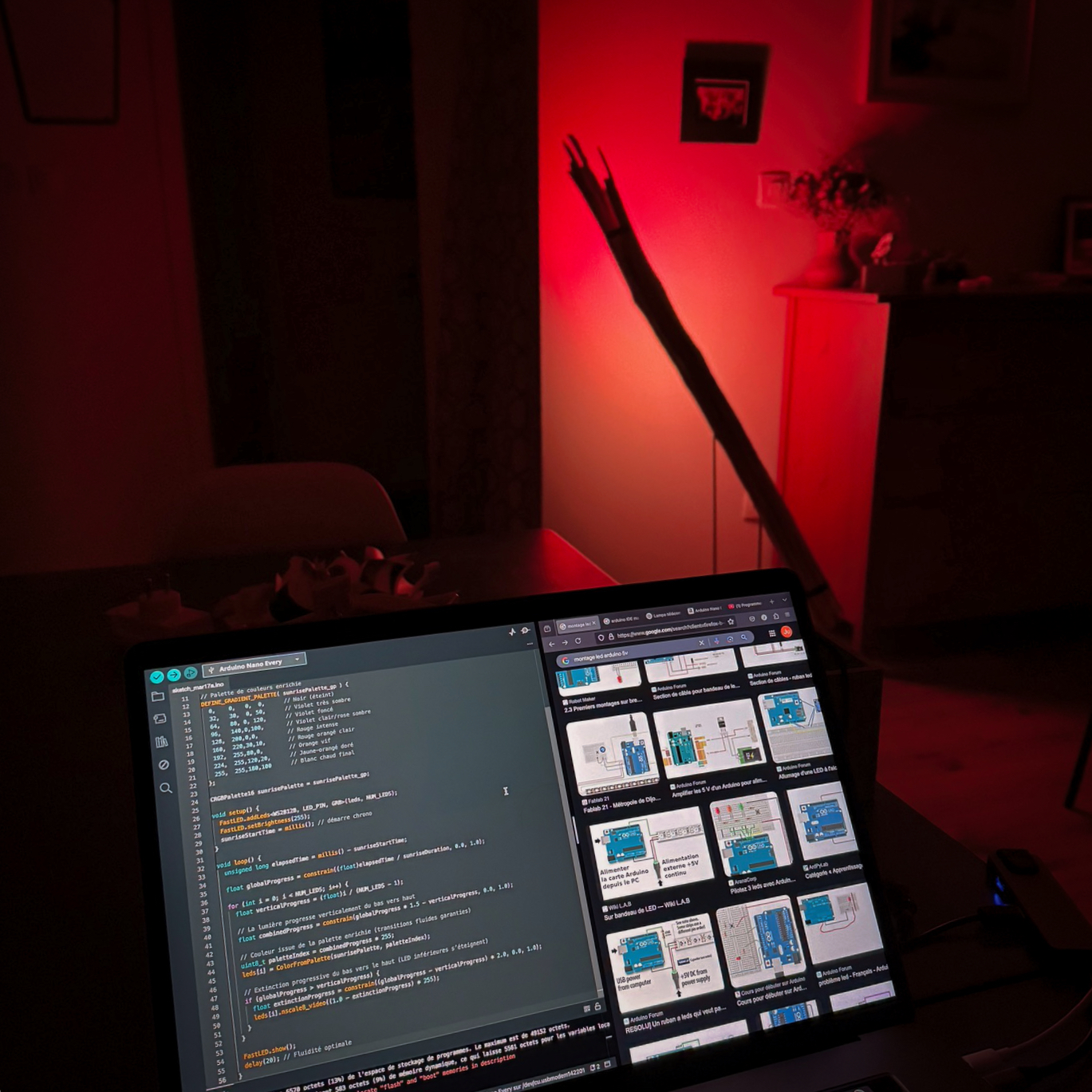
Translating through code
Each luminous atmosphere is recreated through programming. LED by LED, variation by variation: a bespoke luminous writing.
Technical & material recommendations
Independent selection of luminaires, optics, light sources, and control systems, adapted to site constraints. Carefully considered choices to ensure performance, visual comfort, and durability.
Outcome
A fragment of nature, captured and then transposed into an object close at hand.
Tender documentation & implementation support
Technical documents, bills of quantities, and layout drawings intended for contractors. They ensure faithful implementation of the design intent and facilitate smooth execution on site.
